
The UK’s Inflation Vulnerability to a Strait of Hormuz Closure
Evie Mellows
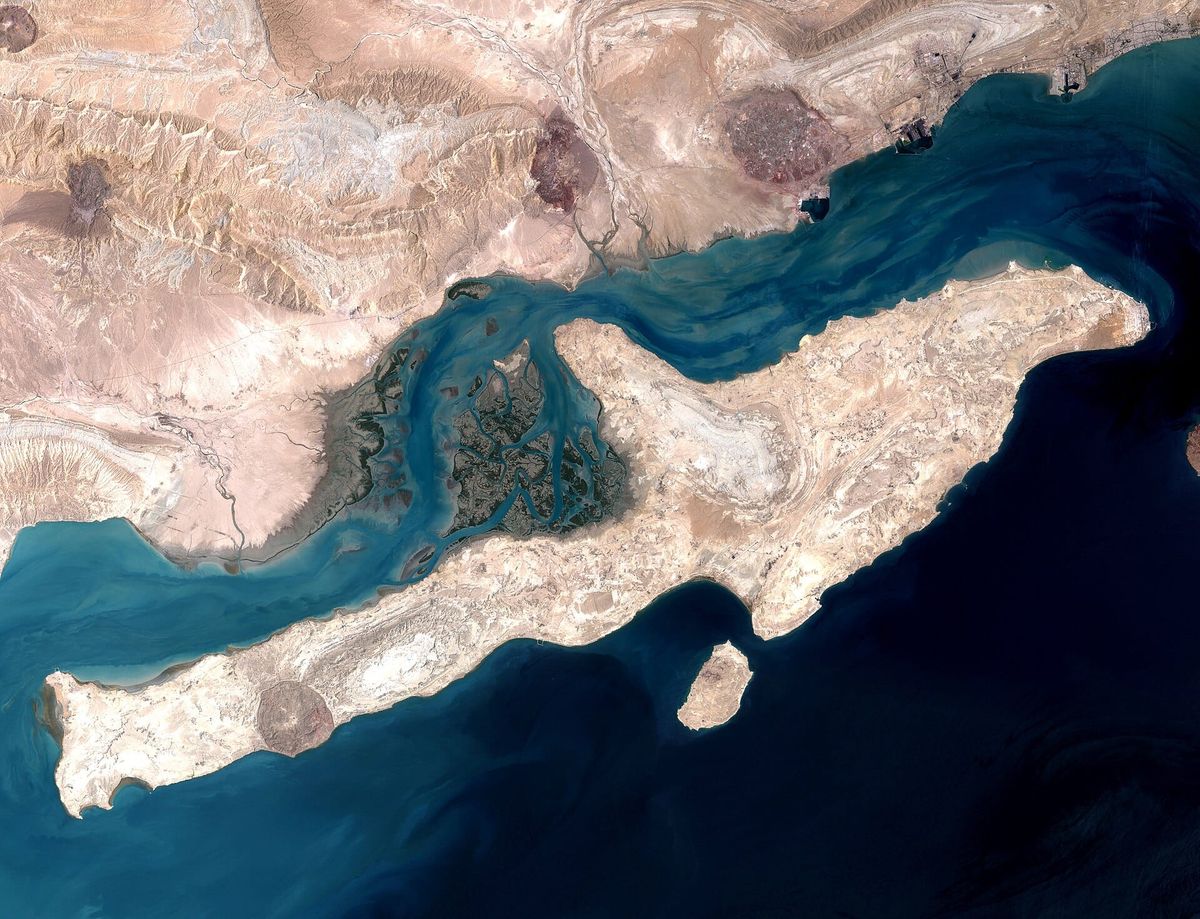
Following the escalating geopolitical tensions involving the United States and the Middle East, increased military action around the Northern side of the Strait of Hormuz - one of the world's most critical shipping routes - has severely restricted the flow of oil. On 2nd March 2026, Iran confirmed that the Strait of Hormuz was officially closed: this disruption caused has significantly prevented the transit of oil and therefore restricted the supply to the rest of the world.
At its widest part, the Strait is 33km wide and with approximately 20% of the global oil and gas supply passing through, any interruption - no matter how slight - immediately places upwards pressure on global oil and energy prices.
Oil and gas are fundamental to all economies, especially the UK, which is considered a net importer of oil as a result of the rapidly depleting reserves within the North Sea. Oil is traded within the global market which means that prices are determined by worldwide demand and supply. Whilst overall, the UK may receive very little oil from the Middle East, obtaining roughly half of all crude oil from Norway, the UK is still severely affected by global price changes. Producers such as Norway are incentivised to raise prices in response to global shortages in order to maximise profit margins.
Oil is vital to the UK economy, accounting for a significant share of energy consumption and helping to support hundreds of thousands of jobs across the country. Any sharp rise in prices - such as the 35% increase in the price of diesel - is passed on throughout the economy through higher transportation and production costs. For example, increased transport costs raise the costs for supermarkets, which are then passed on as an additional cost to consumers, demonstrating cost push inflation on a global scale.
However, the impact of the Strait’s disruption extends beyond oil. Around one-third of global fertiliser supplies, including urea and ammonia, also pass through the region. Disruptions to these flows have significant consequences for agriculture, particularly during critical growing months such as March and April in the Northern Hemisphere. A combination of higher fertiliser prices and reduced availability significantly limit agricultural output, shifting supply inwards and pushing food prices higher. For instance, global wheat prices are projected to rise by over 4%, adding further inflationary pressure.
These effects are already visible in the UK. Despite expectations that inflation would fall towards the Bank of England’s 2% target by the end of the year, the energy shock has contributed to inflation rising from around 3% to approximately 3.3% between March and April 2026. Given that energy has a large weighting within the Consumer Price Index because energy bills make up a significant portion of consumer spending, these price changes disproportionately affect overall inflation within the UK, which are exacerbated by the indirect effects seen across transport and food. The implementation of the energy price cap has helped to delay the full impacts of rising energy prices on households with the effects of the recent supply side shock not expected to be felt until July. However, this places increased pressure on Ofgem to raise the cap during the next quarter in order to support more than 19 million households from sudden price increases.
Although global supply-side shocks are often temporary and tend to settle down as adjustments are made or alternatives found, there is a risk that inflation may become persistent in the UK. This risk will be greater if expectations of rising inflation are sustained. It is argued that the main concern is the wage-price spiral: as living costs rise, workers demand higher wages in order to maintain their real incomes. This increases firms' costs, prompting prices to increase further and establishing a self-reinforcing cycle, potentially causing inflation to become embedded within the economy even after the initial shock subsides.
In this sense, the disruption in the Strait of Hormuz represents more than a short-term increase in energy prices. It highlights the UK’s continued vulnerability to global supply shocks and raises the possibility that inflation, rather than steadily declining, may prove to be more volatile and persistent than previously expected.


Comments ()