
What is the Future of the Labour Party?
Adi Jeenkeri
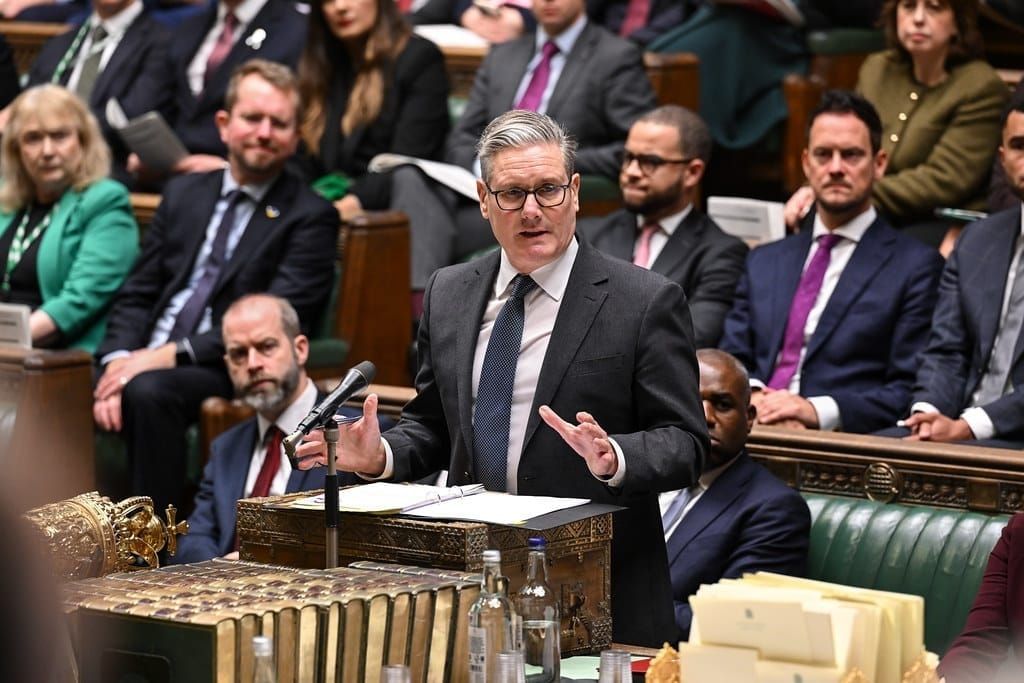
The current Labour Party has been plummeting in popularity since the 2024 general election. In the wake of the general election, it looked like the UK was in for a decade of Labour rule, promising a crackdown on anti-social behaviour, recruitment of teachers and a greater grasp on public utilities. Approaching the 2 year anniversary of the 2024 general election, the political scene is much different; Keir Starmer has a net favourability rating of -46 as of May 2026 according to YouGov, Britain First marches have become a common occurrence in London and there is now the big booming force of Nigel Farage measuring the curtains at Number 10.
To figure out how the Labour Party got here, it’s important to establish how it all started.
It’s 2024. Labour won a record 411 seats with a 174 seat majority which was the party’s best performance since 2001. The Conservatives had their worst result in history, having been reduced to just 121 seats.
So, what went wrong?
When looking at the numbers, Starmer had a very low share of the vote, earning just 9.7 million votes, which was actually a lower share than what Labour managed in the 2019 and 2017 General Elections, despite the latter being seen as an embarrassment to the Labour party. By 2024, most people in the country felt completely disconnected with UK politics due an number of controversies surrounding the Conservatives, such as Partygate, Grenfell and Windrush. Rishi Sunak called the General Election a year earlier than he had to, almost in resignation, due to such demand for a Conservative exit. It was seemed as though people were voting Labour in protest, rather than actually backing Starmer’s pragmatic leadership of the Labour party.
Almost instantly, Starmer’s approval plummeted. Major, politically damaging policies were brought in by the Labour government, such as cutting winter fuel payments for over 10,000,000 UK claimants. The 2024 budget raised national insurance and changed the farmers' tax despite promising no tax raises on working people. Labour cabinet members were accepting thousands of pounds worth of donations from private wealthy donors. Whilst there is nothing inherently wrong with that, Labour held themselves to such a high standard, particularly during Johnson’s premiership, people expected Labour to reject these donations. Overall, it was these constant accumulation of errors that caused Starmer’s approval rating to tank lower than the likes of Major, Truss and Sunak.
It’s important to mention the blockbuster entry of Nigel Farage on the UK political scene. Farage had stood to be an MP 7 times and finally succeeded in the seat of Clacton, an area with strong support for right-wing politicians. Reform UK gained 5 seats at the 2024 General Election, lower than the exit poll predictions, but did come second in numerous constituencies, including Makerfield (keep that name in mind for later). However, once again the electoral system of first-past-the-post hid the real story. In reality, Nigel Farage gained 4.1 million votes (14% of the vote) which was 600,000 votes more than the Liberal Democrats. Despite that, the Liberal Democrats won 67 more seats. Reform UK is a party that is firmly on the right wing of the political spectrum, so it may not initially make sense that they are taking votes from the socially democratic Labour Party. However, Reform is seen as the real alternative to the two party system which a considerable portion of the electorate have grown tired of, and many now see Reform as the party of the people. Once again, at first glance, you would think that’s true with Farage often being seen holding a pint of beer or appearing on reality TV, yet a closer look shows a more complicated picture. According to the Guardian, Nigel Farage had received a £5,000,000 donation ahead of the 2024 General Election and has received continued criticism over his stance on workers' rights. Farage remains a skilled political communicator, something which the other main political parties have struggled with at times. He has been particularly effective at attracting working-class voters which, a key part of Labour's support base, while also receiving support from wealthy donors and prominent figures in the media.
One interesting moment since the 2024 general election was the Gorton and Denton by-election that happened earlier this year. Labour's National Executive Committee (NEC) blocked Andy Burnham from running for the seat as they saw Burnham's popularity within the party as a threat to Starmer's premiership . This was seen as an important example of ‘party over country’ and was a factor in them losing the seat. Eventually, it came down to Reform vs Green, both using extremely different tactics. The Green Party ran a local plumber from the area, Hannah Spencer, whereas Reform ran Matt Goodwin, a wealthy news presenter who had no connection to the area. The Green Party won comfortably, representing a shift from the upper class nature of politics to more local, grassroots politics.
Now it is June, following Labour's disastrous local elections where they suffered heavy losses, with just under 1,500 councillors losing their seats and for the first time since its inception in 1999, Labour are no longer the largest party in Senedd. The calls for Starmer to resign have been louder than even the Mandelson saga. On 14th May, Wes Streeting resigned from his role as Health Secretary, citing a lack of direction. Various media reports suggest that several Labour MPs are exploring potential leadership challenges, including Wes Streeting himself.
Remember Makerfield? Josh Simons stood down in the seat for Andy Burnham to run. This time, the Labour NEC has allowed Burnham to stand and run. Whilst he has not explicitly said that he will run for Labour leadership, this by-election is effectively as a way for him to challenge Starmer. Amongst Labour members, Burnham is highly respected, having served in the Blair and Brown governments, Jeremy Corbyn MP's shadow cabinet and has been Mayor of Manchester for 9 years. He has enjoyed a plurality of political endeavours and is nicknamed ‘The King of the North.’ In the constituency of Makerfield, Reform won every single ward in the council so it will not be easy for Burnham to win the by-election, especially since Reform UK almost won this seat in 2024. However, in the last Mayoral election, Burnham won the majority of every single ward in Makerfield which leaves pollsters conflicted on what the likely outcome is. The makeup of the constituency is mostly white working-class men who voted leave in 2016. Despite Burnham known for being pro-EU, he has advocated against another EU referendum in the foreseeable future. Many see this as trying just to win over the constituency, as he is expected to beat any other competitor for the leadership election. Reform UK, which is going to be the main challenger to Labour for the seat, have nominated a local plumber named Robert Kenyon, a similar tactic which the Green Party successfully used in Gorton and Denton.
As mentioned earlier, a growing number of people believe that Burnham is likely to become Prime Minister if he gets over the hump, with other potential competitors being Wes Streeting, Angela Rayner, Ed Miliband. Streeting has stated that he will run in any contest but is projected to lose to Starmer. This is due to his work with the “Labour Together” think tank, which is associated with the pragmatic Blairite faction of the Labour Party. Due to this, he has called for closer ties to the EU, a ‘wealth tax that works’ and more opportunities for the youth in order to expand his support with the Soft Left. However, this may be to no success, as Andy Burnham has been especially popular with that faction of the party.
The future of the Labour party is an extremely fragile place and no one truly knows what the direction is. At the time of writing, the ONS has shown that domestic inflation is going down more than expected, the UK has the highest growth in the G7 and immigration levels are down - all were Labour manifesto pledges. Starmer insists that he will lead the party into the 2029 election, but this now looks unclear. If Burnham wins the by-election, he would be the favourite to become the next Prime Minister, but once again nothing is certain. Should Labour lose the Makerfield by-election, it will cause more fragility in the party than ever before, and could be the decisive moment which leads to Reform becoming the largest party in the House of Commons come 2029.



Comments ()